The Role of Antique and Vintage Shows in the Collecting World
The antique and vintage shows seem to represent important nodes within the global collection community. This allows one to visit a physical place to see historical items on display, appraised and maybe exchanged. No matter how open the Antiques Websites may have made collecting the same, the antique shows bring with them an individuality of their own, which is the ability to scrutinize objects up close and maybe have a word or two with those who actually know the objects.
The interactions at the show can foster more positive attributes of the marketplace for the objects. By questioning the adviser buying or selling the object about authenticity, provenance, and restoration, the interested customer is allowed to educate themselves with correct answers. On the other part, for the dealer, it also means understanding collector interests and trends.
A Marketplace for Historical Objects
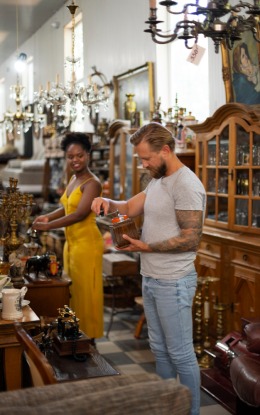
At their core, antique and vintage shows function as specialized marketplaces where items from different historical periods are brought together in one place. Dealers travel from various regions to present carefully selected collections that may include furniture, decorative arts, ceramics, paintings, textiles, books, and small collectibles.
Unlike ordinary retail markets, these events emphasize historical context. Each object carries a narrative tied to its maker, its time period, or its cultural environment. A visitor might encounter a handcrafted cabinet from the nineteenth century, a set of mid-twentieth-century glassware, or vintage advertising posters reflecting changing consumer culture. These objects transform the marketplace into a living archive of material history.
Connecting Collectors and Specialists
Antique shows are particularly valuable because they allow collectors to interact directly with specialists who have deep knowledge of specific categories. Many dealers spend years studying particular types of antiques, such as silverware, clocks, Asian ceramics, or vintage textiles. Their expertise helps visitors understand the differences between similar objects and identify pieces of greater historical significance.
For collectors, these interactions provide an educational experience as well as a purchasing opportunity. Conversations about production techniques, historical periods, and restoration methods help buyers make informed decisions. Over time, these relationships can evolve into trusted partnerships between collectors and dealers.
Supporting Ethical and Transparent Trading
Reputable antique shows often emphasize ethical trading practices and responsible collecting. Organizers typically require dealers to follow standards related to authenticity and accurate descriptions. This helps protect buyers and maintain trust within the community.
Transparency is particularly important in the antiques market, where the value of an object may depend heavily on its provenance or historical documentation. By creating an environment where experts and collectors can discuss these details openly, antique shows contribute to a healthier and more informed marketplace.
What Visitors Can Discover at Antique and Vintage Shows
A trip through an antique show is often seen as a passage through time in designs and craftsmanship of different eras. Displays are typically organized in dealer booths, each of which curates a choice selection of objects suitable for a particular historical theme or collecting interest.
Any antique afficionado will tell you that besides the hidden treasures and the mere joy of browsing in a show, there's that burst of thrill upon seeing something truly weirdly unique. Additionally, besides the search for collectible items or discovering these cool items out of curiosity, every show presents various surprises as packed with expressions of creativity than any fantasy could offer.
Furniture and Decorative Arts
Furniture often serves as a centerpiece at antique shows because it illustrates both craftsmanship and changing design styles across centuries. Visitors might encounter intricately carved wooden cabinets, elegant writing desks, or handmade dining tables produced long before modern manufacturing methods.
Decorative arts expand this experience further by showcasing objects that were once part of everyday life. Porcelain dishes, glassware, lamps, and metalwork all reveal how artistic design influenced functional household items. Studying these objects helps visitors understand how aesthetics evolved alongside technological progress.
Vintage Fashion and Textiles
Clothing and textiles represent another fascinating category commonly found at antique markets. Vintage garments often reflect the social and cultural identity of the time in which they were produced. Materials, tailoring techniques, and decorative details can reveal a great deal about historical fashion trends.
Collectors and fashion historians frequently attend these shows to study original garments from past decades. Accessories such as hats, handbags, and jewelry also appear in many booths, offering insight into how personal style developed across generations.
Rare Books, Prints, and Paper Collectibles
Antique shows often include sections dedicated to books, maps, prints, and historical documents. These items attract collectors who value printed materials not only for their content but also for their physical craftsmanship.
Early bookbinding techniques, vintage typography, and illustrated prints provide a window into the evolution of publishing and communication. Even everyday paper objects such as postcards, posters, and advertising materials can become valuable collectibles when they reflect specific cultural moments.
Small Collectibles and Nostalgic Objects
Many visitors are drawn to the smaller items displayed at antique shows because they capture moments of everyday history. Vintage toys, kitchen tools, watches, cameras, and decorative figurines all offer glimpses into daily life from earlier decades.
These objects often carry a strong sense of nostalgia. People may recognize items similar to those used by parents or grandparents, creating an emotional connection that goes beyond their monetary value. As a result, small collectibles frequently become conversation starters between dealers and visitors.
The Cultural and Social Value of Antique Markets
Antique shows are so much more than trade events because they are actual cultural spaces where sharing takes place: knowledge about history, craftsmanship, and collecting traditions. Today, every meeting is a dialogue between generations with a growing realization of the material heritage.
In many communities, antique markets also serve as social gatherings for like-minded people. All groups are friendly and welcoming, and it is easy for newcomers to quickly pick up the knowledge about doing some collecting while the organized enthusiasts are sharing some insights.
Preserving Craftsmanship and Design Heritage
One of the most significant contributions of antique shows is their role in preserving traditional craftsmanship. Many historical objects were created using techniques that are rarely practiced today. By displaying and discussing these pieces, antique dealers and collectors help ensure that knowledge of these techniques is not lost.
Visitors can observe details such as hand-carved woodwork, hand-stitched textiles, or early metalworking methods. These elements reveal the skill and patience required to produce objects before modern industrial processes became widespread. Antique shows therefore act as informal educational spaces where craftsmanship continues to be appreciated and studied.
Encouraging Historical Curiosity
Antique objects naturally invite questions about the past. Where was this object made? Who used it? What historical events shaped the time in which it existed? Antique shows encourage visitors to explore these questions by presenting tangible artifacts from earlier eras.
Unlike museums, which often focus on curated exhibitions, antique markets allow visitors to interact directly with objects that may still circulate within private collections. This direct encounter can spark curiosity about history and inspire further research or collecting interests.
Building Community Around Shared Interests
The social environment of antique shows is an important part of their appeal. Collectors often form communities based on shared interests, whether those interests involve vintage jewelry, classic furniture, or historical memorabilia.
These events provide opportunities for people to exchange stories about their collections, discuss restoration techniques, and recommend resources for further research. New collectors can benefit from the experience of more seasoned participants, while long-time enthusiasts enjoy the opportunity to connect with others who appreciate the same types of objects.
Tips for Visitors Attending Antique and Vintage Shows
When a beginner attends an antique show, the experience could be a mix of excitement and a bit of stress. The profusion of items and related information upon entry may well feel like a maze. Therefore, practical tactics help avert misgivings and provide good leverage for first-time visitors in negotiating them more gracefully.
Hence, doing some homework in advance, asking a few good questions, and spending relaxation time simply walking through various booths may lead to a positive experience. A peculiar pleasure that is anything but novice-friendly, antique shows thrive on curiosity and patience, and the more bounds of discovery are crossed when a visitor treats himself with parsimony.
Research Before Attending
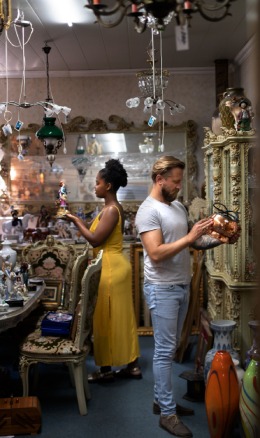
Before visiting an antique show, it is helpful to learn about the types of objects that will be featured. Many events publish exhibitor lists or categories in advance, allowing visitors to identify dealers who specialize in particular collectibles.
Basic research also helps buyers understand approximate price ranges for certain items. This knowledge allows visitors to recognize fair pricing and avoid making impulsive purchases without sufficient information. Even casual visitors benefit from this preparation because it makes conversations with dealers more productive.
Ask Questions and Engage with Dealers
Antique dealers are often passionate about the objects they sell and enjoy sharing their knowledge with interested visitors. Asking questions about an item's history, materials, or restoration process can reveal valuable insights.
These conversations also help buyers determine whether an object fits their interests or collecting goals. Experienced collectors often emphasize that learning from dealers is just as important as purchasing objects themselves.
Inspect Objects Carefully
When considering a purchase, visitors should examine items closely. Condition plays a significant role in the value of antiques, and small details can influence long-term collectibility.
Buyers may wish to check for repairs, replacement parts, or signs of wear that could affect the object's authenticity or durability. Many antique shows allow visitors to handle objects under supervision, which makes it easier to inspect craftsmanship and construction methods.
Take Time to Explore the Entire Show
One common mistake made by first-time visitors is purchasing an item too quickly without exploring the entire event. Antique shows often feature dozens or even hundreds of booths, each offering unique pieces.
Walking through the entire venue before making a purchase allows visitors to compare prices, styles, and conditions across different dealers. This approach also increases the likelihood of discovering rare items that may not appear in the first few displays.
The Continuing Appeal of Antique and Vintage Shows
Antique shows have become more crowded since the advent of digital auction sites. This is because seeing the real thing in person will always attract attention because it allows for appreciating the artefact s craftsmanship, texture, size and scale in a way a photograph can merely simulate.
These shows then present wider opportunities for exchanges among individuals with whatever they may bring to the collecting experience. Such interactions and conversations between collectors and dealers usually lead to new understandings and new friendships, let alone future possibilities in collecting ventures.
⚖️ Balancing Tradition and Modern Technology
Many antique dealers now combine traditional show participation with digital platforms. Online catalogs, social media pages, and virtual previews help attract visitors and introduce new audiences to antique collecting.
However, physical shows continue to play a central role because they allow people to experience objects directly. The tactile nature of antiques remains one of their most compelling qualities, and many collectors prefer to examine pieces personally before purchasing them.
🌟 Inspiring New Generations of Collectors
Antique and vintage shows also help introduce younger audiences to collecting. As interest in sustainability and reuse grows, many people are discovering the appeal of vintage objects that have already stood the test of time.
Buying antiques can be viewed as a form of responsible consumption because it extends the lifespan of well-crafted items. This perspective resonates with individuals who value durability and historical authenticity over mass-produced goods.
🏺 Keeping History Visible in Everyday Life
Perhaps the most enduring value of antique shows is their ability to keep history present in everyday environments. When people incorporate antiques into their homes, offices, or personal collections, they create living connections to the past.
These objects serve as reminders that design, craftsmanship, and cultural traditions evolve over time. By preserving and appreciating them, collectors contribute to a broader understanding of how previous generations lived, worked, and expressed creativity.
Timeless Treasures That Keep History Alive
To think of it, these antique and vintage shows are like a vibrant melting pot of history, culture, craftsmanship, and the essence of community's story. They allure collectors and visitors with artifacts that mirror the artistic tradition of the times and the culture of day-to-day life. Antique markets offer numerous opportunities for learning, discovery, and engrossing conversation, as practically two dozen dealers gravitate to places that attract enthusiasts and those who are just curious.
The recurring popularity of these shows is due to the high value placed on history. Antique and vintage shows will continue to function as doorways leading to the rich world of ancient collections so long as humans love tales, craft, and cultural heritage.
With the kind support