Understanding Craftsmanship and Construction
History of an ancient object shows the craftsmanship, the way it is done or is rather mechanical. The antique objects, whose craftsmen crafted with hand tools, have shown signs of the hand-myriad signs left behind by such craftsmen that make it possible to differentiate between themselves and today reproductions.
The modern production of ancient objects will reveal the heritage of these objects and reflect the quality of workmanship found in every object.
Handcrafted Details and Tool Marks
Many antiques were produced before the widespread use of modern machinery. As a result, hand tools were commonly used for shaping wood, carving decorative elements, or assembling components. Close inspection often reveals irregularities that indicate manual craftsmanship.
For example, hand-cut dovetail joints in antique furniture may appear slightly uneven, with variations in spacing and shape. Similarly, wood surfaces may show faint marks left by hand planes or chisels. These characteristics are not flaws but rather evidence of traditional workmanship. In contrast, machine-made pieces often display perfectly uniform cuts and symmetrical patterns that suggest modern production methods.
Recognizing these differences can help buyers distinguish between authentic antiques and later reproductions designed to imitate historical styles.
Joinery and Structural Techniques
The way an item is assembled can reveal much about its age and origin. Antique furniture, for instance, often uses joinery techniques such as mortise-and-tenon joints, dovetails, and wooden pegs instead of modern screws or staples.
Examining the underside or interior of furniture pieces can provide valuable clues. Older nails may be hand-forged or early machine-cut varieties rather than modern wire nails. Wooden pegs or wedges may also be visible in structural joints.
These details help establish whether a piece was constructed using traditional methods. While later repairs may introduce newer materials, the core construction often reflects the period in which the object was originally made.
Design Characteristics of Historical Periods
Antiques frequently reflect the design trends and cultural influences of the era in which they were produced. Furniture styles, decorative motifs, and material choices often correspond to specific historical periods.
For example, Victorian-era furniture commonly features elaborate ornamentation and dark woods, while earlier Georgian designs often emphasize symmetry and restrained decoration. Art Deco pieces from the early twentieth century frequently incorporate geometric shapes and modern materials.
Recognizing these stylistic patterns helps buyers place an object within a broader historical context. When a piece’s construction, materials, and design style align with a particular period, it strengthens the likelihood that the item is genuinely antique.
Evaluating Materials and Authentic Components
The materials used in an object may provide some essential clues to the object's authenticity ad well as the era. Different historical periods saw the utilization of different materials, such as woods, metals, ceramics, textiles, and finishes to create splendid objects that are restricted to only a sliver of artwork now. Careful observation of methodologies of these materials can help buyers pin that if an item even qualifies with the era it says it does.
Wood Types and Natural Aging
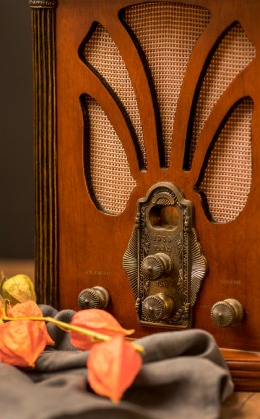
Many antique furniture pieces are made from solid woods such as oak, walnut, mahogany, cherry, or pine. These materials were widely used in earlier centuries due to their durability and availability.
Over time, wood develops visible signs of natural aging. Surfaces may darken due to oxidation and exposure to light. Small cracks, known as checking, may appear as wood expands and contracts with changing humidity levels. Edges may become slightly rounded through years of use.
Modern reproductions sometimes attempt to simulate these effects through artificial distressing. However, genuine aging tends to occur gradually and unevenly, often accompanied by subtle variations in color and texture.
Metals, Hardware, and Fasteners
Metal components such as hinges, handles, locks, and decorative fittings also provide valuable information about an object’s history. Earlier hardware was often handmade or cast in small batches, resulting in slight variations in shape and finish.
Over time, metals develop patina, a natural surface layer formed through oxidation and environmental exposure. Brass may darken and develop greenish tones, while iron may show areas of rust or wear.
The presence of modern screws or replacement hardware does not necessarily mean a piece is not antique, as repairs are common. However, original hardware that matches the design and period of the object often adds to its historical authenticity and value.
Glass, Ceramics, and Decorative Materials
Antique glass and ceramic items often display characteristics that differ from modern mass-produced versions. Early glassmaking techniques sometimes produced small air bubbles, slight variations in thickness, or minor imperfections.
Ceramics and porcelain may bear maker’s marks, factory stamps, or hand-painted decorations that indicate their origin. These markings can help identify specific manufacturers or production periods.
Buyers should examine the underside of ceramics and the edges of glassware for identifying marks or signs of age. Reference books and online databases can assist in matching these markings to known historical producers.
Recognizing Restoration and Repairs
Antique objects frequently undergo repairs or restoration during their lifetime. The educated buyer who can recognize these repairs usually can assess a good condition and determine exactly how much of an object is original.
While it can do good for damping the reversibility, the restoration's point against the value represents the determination that is incumbent upon intent itself as viewed by others.
Signs of Refinished Surfaces
Refinishing is a common restoration practice for antique furniture. Over time, finishes may wear away due to use or exposure to sunlight and moisture. Some owners choose to refinish surfaces to restore their appearance.
However, refinishing can sometimes remove original finishes that collectors value. A piece that retains its original surface often holds greater historical significance. Buyers should look for signs such as overly smooth surfaces, uniform coloring, or finish inside drawers and hidden areas, which may indicate refinishing.
Natural wear patterns typically appear in areas that experience regular use, such as armrests, drawer handles, or table edges.
Replaced Parts and Structural Repairs
Antiques that have been used for decades may contain replacement parts or structural repairs. Chair legs, drawer bottoms, hardware, and decorative elements are sometimes replaced when damaged.
Examining construction details can reveal whether parts match the rest of the object in material, color, and wear. A single replacement element does not necessarily diminish the value of a piece, especially if the repair was performed long ago using appropriate materials.
However, extensive reconstruction or poorly executed repairs may significantly affect both historical integrity and market value.
Professional Restoration Versus Alterations
Not all restoration work is the same. Professional conservation specialists aim to stabilize objects while preserving as much original material as possible. Their work is typically subtle and reversible.
In contrast, heavy alterations such as repainting furniture in modern colors or replacing original components with contemporary substitutes may reduce an item’s authenticity.
Buyers who understand these distinctions can better assess whether restoration enhances the preservation of an antique or alters it in ways that reduce historical value.
Researching Provenance and Historical Background
Provenance refers to the documented history of an object’s ownership or origin. While not every antique comes with detailed records, provenance can significantly enhance an item’s credibility and value.
Learning how to investigate an object’s background allows buyers to build confidence in their purchases.
Ownership History and Documentation
Some antiques are accompanied by written records that trace their ownership over time. These documents may include receipts, auction catalogs, estate records, or letters referencing the object.
Items associated with notable individuals, historical events, or well-documented collections may carry additional cultural significance. Even simple documentation showing a piece’s presence in a particular family or region can provide helpful context.
Buyers should carefully review any documentation presented by sellers and ensure that it aligns with the object itself.
Maker’s Marks and Manufacturer Labels
Many antique items include markings that identify the craftsman, manufacturer, or workshop responsible for their production. These marks may appear on the underside of furniture, inside drawers, or on the base of ceramic pieces.
Researching these marks can reveal valuable information about where and when an item was produced. Some makers have well-documented histories, making it possible to date pieces more accurately.
Books, museum archives, and online databases often catalog these markings, allowing collectors to compare examples and verify authenticity.
Regional and Cultural Origins
Antiques frequently reflect the traditions and materials of specific regions. Furniture produced in rural communities may use locally available woods, while decorative motifs may reflect regional cultural influences.
Understanding these regional characteristics can help buyers recognize authentic pieces and avoid mismatched combinations of styles and materials.
Dealers and historians who specialize in certain types of antiques often provide valuable insight into regional production techniques and historical contexts.
Understanding Pricing and Market Value
Antique objects range from expensive to cheap depending on whether they are rare, renowned for craftsmanship and condition, high in-demand or not. Those buyers who know of the why and how of pricing are in a greater position to weigh options and decide if it is a good buy.
The antiques can also be priced exorbitantly too, but then not every old object is always highly prized. The value of an item in the market has to have a balance of interest in history and the price paid for acquiring it.
Rarity and Demand
The rarity of an object plays a significant role in determining its value. Items produced in limited quantities or associated with notable makers often attract strong interest from collectors.
Demand also influences pricing. Certain categories of antiques may become popular due to changing design trends, museum exhibitions, or renewed academic interest. When collector demand rises, prices may increase accordingly.
Buyers should consider both rarity and current market demand when evaluating whether an item is reasonably priced.
Condition and Completeness
The physical condition of an antique has a direct impact on its value. Objects that remain intact and well-preserved generally command higher prices than those with significant damage.
Completeness is also important. Sets of objects, such as matching chairs or complete tableware collections, often carry greater value when all original pieces remain together.
Minor wear consistent with age is usually acceptable, but significant structural damage, missing components, or extensive restoration may reduce an item’s desirability among collectors.
💡 Practical Tips for Visiting Antique Markets
Antique and vintage shows offer opportunities to see a wide variety of objects in one place. For new buyers, these events provide valuable hands-on learning experiences.
Approaching markets with preparation and curiosity allows buyers to explore antiques while making careful purchasing decisions.
- Bring a small flashlight to examine details in dimly lit booths or under furniture.
- Measure spaces at home before buying large furniture pieces.
- Carry a notebook or smartphone to record maker’s marks and research them later.
- Ask dealers questions about the history and origin of items.
- Compare similar objects across multiple booths before making a purchase.
Recognizing Quality and Authenticity in Antique Finds
Antique buying is thus a study in a grammatical sense and in connection with items that encapsulate tales of days gone by. Thus, with authenticity of craftsmanship, material, condition, restoration, original or true provenance, and market value, the buyer will freely move on within the field of market for antiques.
With the kind support