Understanding What Counts as an Antique
Setting out to equip oneself with information about what to consider as an ''antique'' before buying anything is crucial. The antique market operates with its own specific language designed to define objects according to age, workmanship, or cultural elements. The profound understanding of these definitions helps the collectors in more precise identification of the pieces that suit their specific interests.
Nevertheless, even though many people may use the term more loosely, most professional dealers and institutions bear largely upon some clear-cut distinctions of what is truly an antique, vintage, or collectible item.
The Standard Age Definition
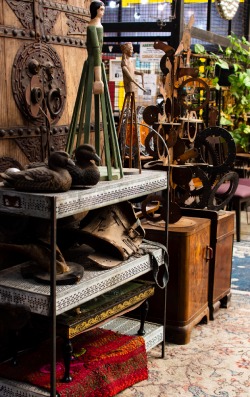
In most antique markets around the world, an object is generally considered an antique if it is at least 100 years old. This definition is widely used by auction houses, museums, and antique dealers when classifying objects such as furniture, decorative arts, ceramics, and tools.
However, age alone does not guarantee value. Many everyday objects from the past survive in large quantities and may hold little market value despite being technically old enough to qualify as antiques. Conversely, some objects younger than 100 years may hold significant value due to rarity, craftsmanship, or historical importance.
Antiques vs Vintage vs Collectibles
Not every old item falls into the antique category. The market generally separates objects into three main groups: antiques, vintage items, and modern collectibles.
Antiques are typically more than 100 years old and are often associated with earlier historical periods. Vintage items usually range between 20 and 100 years old and represent products from recent decades that have become culturally significant. Examples include mid-century furniture, retro electronics, and classic fashion pieces.
Collectibles, on the other hand, may be either old or modern but are valued primarily because enthusiasts actively collect them. Examples include comic books, trading cards, branded memorabilia, and limited-edition products.
Choosing a Focus for Your Collection
Novices often feel overwhelmed as a consequence of the wide variety of antiques that can be found in markets, auctions, online auctions, etc. This specialization can actually ease the process and allow collectors to start building expertise in their area of choice.
With the older collectors, specialization frequently occurs; the sometimes-consuming deep knowledge of authenticity, pricing, and historical context develops after focusing plan has been kept active for a long while.
Furniture and Decorative Arts
Antique furniture remains one of the most popular collecting categories. Tables, cabinets, chairs, and writing desks from earlier centuries showcase craftsmanship techniques that are rarely used in modern manufacturing. Hand-cut joinery, carved wood, and traditional finishes often distinguish authentic antique furniture.
Decorative arts such as porcelain, glassware, and silver objects also attract collectors interested in artistic craftsmanship. These items often reflect cultural styles associated with specific historical periods. For example, decorative porcelain from European factories in the 18th and 19th centuries remains highly sought after in the antique market.
Collectors who focus on furniture or decorative arts often study historical design movements, which helps them recognize the characteristics of different eras.
Books, Maps, and Printed Materials
Another area of antique collecting involves historical printed materials. Rare books, early maps, manuscripts, and vintage prints offer insight into earlier periods of exploration, literature, and scientific discovery.
Book collectors often specialize in first editions, historically significant publications, or books produced by notable printing houses. Condition plays an important role in determining value, with intact bindings, original covers, and minimal damage increasing the desirability of an item.
Printed materials are also relatively accessible for beginners compared to larger antique objects. They are easier to store, easier to research, and often available through libraries, auctions, and specialized dealers.
Small Decorative Collectibles
Many beginners start their collections with smaller objects because they are easier to store and generally more affordable. Examples include antique coins, pocket watches, jewelry, ceramics, and small household objects.
These items often carry strong historical connections because they were part of everyday life in earlier centuries. Coins reveal economic history, while small tools or kitchenware reflect domestic life.
Smaller antiques also allow collectors to gradually build knowledge without requiring large financial commitments. Over time, collectors may expand into additional categories as their interests evolve.
How to Identify Authentic Antiques
Recognizing antique from reproduction represents a most crucial skill an aficionado can acquire. Whether or not modern reproductions may be superficially identical to older pieces, closer examination usually uncovers differences in materials, construction, and wear.
It takes time to learn authentication ability, but a few basic indicators can let the collectors have more confidence when purchasing.
Examining Materials and Construction
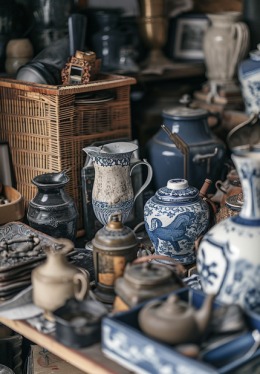
Authentic antiques often reflect the materials and construction techniques available during the period in which they were made. For example, early furniture frequently features hand-cut dovetail joints, uneven wood grain patterns, and slight irregularities caused by manual craftsmanship.
Machine-produced items, which became common during the late 19th and early 20th centuries, usually display more uniform construction. While these objects may still qualify as antiques depending on age, they differ noticeably from earlier handmade pieces.
Collectors should also pay attention to materials. Certain types of wood, metal alloys, and ceramic glazes were commonly used in specific historical periods. Recognizing these materials helps confirm whether an object aligns with its claimed age.
Signs of Natural Aging
Genuine antiques typically show signs of gradual aging that occur over long periods of use. Wood may develop a patina, metals may display subtle oxidation, and fabrics may soften through decades of handling.
Artificial aging techniques used by manufacturers attempting to replicate antique appearances often lack the subtle irregularities seen in naturally aged objects. Uniform wear patterns, overly consistent coloring, or artificially distressed surfaces may indicate reproduction items.
Collectors who examine many objects over time become better at recognizing the difference between natural aging and manufactured aging effects.
Maker’s Marks and Labels
Many antique objects include marks, stamps, or labels identifying the maker, manufacturer, or origin. These markings can provide valuable clues about the object's age and authenticity.
Ceramics often feature factory marks on the base, while silver objects may include hallmark stamps indicating metal purity and manufacturer information. Furniture sometimes carries labels from cabinetmakers or retailers.
Researching these marks through reference books or museum databases allows collectors to verify whether an item corresponds with known historical manufacturers.
Evaluating Condition and Restoration
The value and demand for an antique highly depend on its condition. Before putting down the money, a collector must carefully inspect an object for any kind of damage, repair, or restorations. Demands for perfection are natural as a piece becomes older, but too many repairs and wrong restorations could permanently affect its historical integrity and market value.
Understanding Original Condition
Objects that retain their original materials and finishes are generally more desirable than heavily restored pieces. Original finishes, upholstery, and surface treatments provide insight into historical manufacturing methods and design aesthetics.
However, perfect condition is rare for antiques that have survived for many decades or centuries. Minor scratches, surface wear, or small repairs may be acceptable depending on the object's age and function.
Collectors often learn to balance authenticity with usability when evaluating condition.
Identifying Repairs and Alterations
Some antiques have undergone repairs or modifications during their lifetime. These alterations may include replaced parts, refinished surfaces, or structural repairs.
While professional restoration can stabilize damaged objects, excessive modification may reduce historical value. For example, refinishing antique furniture can remove the original patina that collectors appreciate.
Careful inspection helps determine whether restoration has preserved the original character of the object or significantly altered its appearance.
Preservation and Care
Once an antique becomes part of a collection, proper preservation helps maintain its condition. Environmental factors such as humidity, sunlight, and temperature fluctuations can gradually damage older materials.
Collectors often store antiques in stable indoor environments with controlled humidity levels. Direct sunlight should be avoided because it can fade fabrics, paintings, and wood finishes.
Regular cleaning using appropriate materials also helps preserve objects while preventing dust buildup or corrosion.
Researching Historical Value and Provenance
Research plays a central role in antique collecting. Understanding the history behind an object adds depth to a collection and helps determine whether an item holds cultural or historical significance.
Many collectors enjoy the investigative aspect of discovering where an object originated and how it moved through different owners over time.
The Importance of Provenance
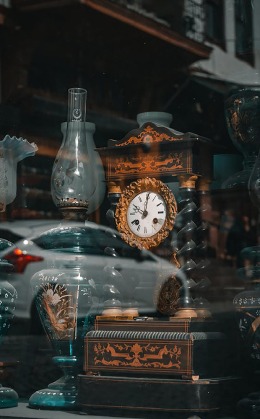
Provenance refers to the documented history of an object's ownership. Items with well-documented provenance often carry greater value because their historical journey can be verified.
For example, an antique piece of furniture associated with a notable historical figure or a specific estate may attract greater interest among collectors and museums. Provenance documentation may include purchase records, letters, photographs, or archival references.
Even partial ownership histories can add meaningful context to an antique object.
Using Reference Books and Databases
Collectors frequently rely on reference books, museum catalogs, and academic databases to learn more about specific types of antiques. These resources help identify design styles, manufacturer marks, and production techniques associated with different historical periods.
Online archives maintained by museums and libraries have expanded access to historical information. Many collectors combine traditional research methods with digital resources to verify details about objects.
Over time, building a personal reference library can become an essential part of the collecting process.
Consulting Experts and Dealers
Professional dealers, appraisers, and historians often possess specialized knowledge that helps verify authenticity and value. Consulting experts is especially useful when evaluating high-value objects or rare antiques.
Experienced dealers can also provide insight into current market trends and help collectors understand how demand influences prices.
Building relationships with knowledgeable professionals often benefits collectors who wish to expand their collections responsibly.
Places to Find Antiques
Antiques can be discovered in many different places, from large organized markets to small local shops. Each environment offers unique opportunities to find objects with historical character.
Understanding where to search helps collectors explore a wider range of potential acquisitions.
Antique Markets and Shows
Large antique and vintage shows bring together numerous dealers in a single location. These events often feature a wide range of objects including furniture, art, jewelry, books, and household artifacts.
Markets provide opportunities to compare items from different vendors and learn from experienced dealers. Many collectors enjoy the social atmosphere of antique fairs where enthusiasts share knowledge and discuss historical objects.
These events also allow collectors to examine items in person before purchasing.
Auctions and Estate Sales
Auction houses regularly sell antiques ranging from small collectibles to high-value artworks. Estate sales can also provide access to objects that have remained in private homes for generations.
Auctions often require research and careful bidding strategies because prices can fluctuate depending on demand. However, auctions sometimes offer opportunities to acquire unique pieces that rarely appear in retail markets.
Collectors who attend estate sales may encounter objects with interesting family histories.
Online Antique Platforms
Digital marketplaces have expanded access to antiques beyond traditional physical locations. Online platforms allow collectors to browse thousands of objects from sellers around the world.
While online buying increases accessibility, it also requires caution. Detailed photographs, seller reputation, and clear descriptions help reduce the risk of purchasing misidentified items.
Many collectors combine online searching with in-person inspections whenever possible.
Preserving History One Piece at a Time
Antique collecting establishes a good learning experience besides being a rewarding hobby. By learning how to identify items that are genuinely antique, determining the condition of the item, researching the historical value of the same, and then properly preserving items, in time, the beginner collector will begin to assemble an important collection that speaks with every piece about history, styles, and craftsmanship.
A reflective approach thus encourages patience, curiosity, and continuous learning. More affordably, each item also becomes much more than just an old item - they turn into a little part of the past, preserved for the future.
With the kind support