Understanding the Materials and Age of Antique Objects
To clean or restore an antique, it is imperative to know the materials that the antique comprises and how they deteriorate with age. Different substances react uniquely with humidity, light, and temperature. Woods swell and shrink as moisture wanes and grows, metals oxidize, and delicate fabrics grow ever weaker when subjected to light.
Determine how the objects were originally designed and constructed is also crucial to assess how best to conserve them. More often than not, antiques rely on traditional ways of construction where a world of difference definitely sets them apart from production in modern industry.
Common Materials Found in Antiques
Antique objects can be made from a wide range of materials, each requiring specific care techniques. Wood furniture, for example, may include hardwoods such as oak, walnut, or mahogany, often finished with shellac or natural wax. These finishes react differently to cleaning products than modern synthetic coatings.
Ceramics and porcelain are usually durable but can develop fine cracks known as crazing over time. Glass objects, particularly older hand-blown pieces, may contain small bubbles or irregularities that reflect traditional production methods. Metal items such as silver, brass, and bronze naturally develop patina as they age. This surface change is often valued by collectors because it represents the object's history.
Understanding the materials helps determine whether cleaning, polishing, or leaving the surface untouched is the most appropriate option.
How Age Affects Antique Condition
Time affects every material differently. Wood may develop small cracks, joints can loosen, and finishes may fade. Textiles become fragile as fibers weaken, while paper objects such as books and documents gradually become more brittle.
Some signs of age are expected and even desirable. Natural wear, small imperfections, and gentle fading can confirm that an object has lived through decades or centuries of use. These characteristics contribute to authenticity and should not always be removed through restoration.
Collectors often distinguish between damage and historical wear. Damage reduces structural stability or usability, while wear reflects the object's history. Responsible care aims to stabilize objects without erasing the marks that make them historically meaningful.
Recognizing Signs of Previous Restoration
Many antique objects have already undergone some form of repair during their lifetime. Glue joints in furniture, replaced handles, or refinished surfaces may indicate previous restoration work.
Examining an item carefully can reveal these modifications. Differences in wood color, uneven varnish layers, or modern screws may signal that repairs were performed. While restoration is not necessarily harmful, poorly executed work can affect value and historical accuracy.
Understanding the object's restoration history allows collectors to make informed decisions about whether additional conservation is necessary or whether the item should remain unchanged.
Proper Storage for Antique Preservation
The environment in which the antiques are stored is also a key factor, in the present context of their long-term preservation. The lack of adequate facilities is often translated into extreme fluctuations in temperature or humidity, and by allowing for the infiltration of sunlight, directly results in the acceleration of their decomposition. Oppositely, stable storage conditions would slow down these processes and would result in less damage.
Storage planning might well also involve choosing containers, shelves, and protective materials that are well-suited for them. Objects should be supported in such a way that reduces stress on fragile components.
Managing Temperature and Humidity
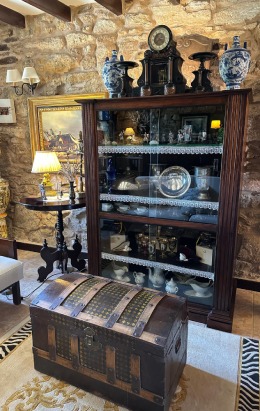
Stable environmental conditions are essential for protecting antiques. Rapid temperature changes cause materials to expand and contract, which can weaken joints and surfaces. Humidity levels are particularly important for wood, textiles, and paper items.
Excess humidity can lead to mold growth, while extremely dry conditions may cause cracking and brittleness. A moderate indoor humidity level between 40 and 55 percent is generally recommended for most antique materials.
Collectors often use simple monitoring tools such as hygrometers to track humidity levels. In climates where seasonal changes are significant, humidifiers or dehumidifiers may help maintain stable conditions.
Protecting Items from Light Exposure
Light, especially ultraviolet radiation from sunlight, gradually damages many materials. Textiles fade, paper yellows, and wooden finishes lose their original color when exposed to strong light for extended periods.
Displaying antiques away from direct sunlight is one of the easiest ways to prevent damage. Curtains, blinds, or UV-filtering window films can significantly reduce light exposure inside a room.
Museums often rotate displayed objects periodically to limit long-term exposure. Private collectors can apply similar strategies by occasionally moving delicate items or storing them in darker environments when not on display.
Safe Storage Containers and Supports
Proper storage materials help protect antiques from dust, moisture, and physical stress. Acid-free boxes and archival storage materials are widely used for paper documents, photographs, and textiles. These materials prevent chemical reactions that can cause discoloration.
Fragile objects should also be supported with soft padding or custom mounts. For example, delicate ceramics may benefit from padded shelves that prevent vibration or accidental movement.
Avoid storing antiques in plastic containers that trap moisture unless they are specifically designed for archival use. Ventilated storage allows air circulation while still protecting objects from environmental contaminants.
Cleaning Antique and Vintage Objects Safely
Cleaning antiques requires patience and care as several aged objects may be more fragile than they appear, improbable to be restored but damaged forever should impossibility run out. Usually, mild methods that just remove the surface dirt or dust are the efforts of choice for security, rather than an attempt to alter the original material.
Testing cleaning methods with a tiny section, possibly tucked away from plain view, avoids any unexpected results before attempting to get through a thorough cleaning.
Dusting and Surface Cleaning
Dust accumulation may seem harmless, but over time it can attract moisture and pollutants that damage surfaces. Regular gentle dusting helps maintain an object's condition while preventing long-term deterioration.
Soft brushes, microfiber cloths, or low-suction vacuum attachments are commonly used for delicate objects. Dusting should be done carefully, following the contours of the item to avoid catching fragile elements such as carved details or loose decorations.
For intricate objects, small artist brushes can remove dust from crevices without applying excessive pressure.
Cleaning Wooden Furniture
Antique furniture often has delicate finishes that respond poorly to strong chemical cleaners. Mild cleaning methods are typically sufficient. A slightly damp cloth followed by a dry cloth can remove surface grime without affecting the finish.
Specialized furniture wax or polish may be used sparingly to maintain the surface. However, excessive polishing can build up residue over time, creating a cloudy appearance.
Collectors should avoid stripping or sanding antique furniture unless structural repairs are necessary. Original finishes are an important part of an object's authenticity and historical value.
Cleaning Metals, Ceramics, and Glass
Metal antiques such as silver or brass naturally develop patina. While some owners prefer a polished appearance, aggressive polishing can remove this protective layer and reduce historical authenticity.
For ceramics and glass, warm water and mild soap are often sufficient for cleaning. However, items with painted decorations or gilded surfaces should be cleaned with extreme care to avoid damaging delicate artwork.
Whenever possible, antiques should be dried immediately after cleaning to prevent water stains or mineral deposits.
Responsible Restoration and Conservation
Restoration involves repairing damage to return an object to a stable condition. Conservation focuses on stabilizing the item while preserving as much original material as possible. In many cases, conservation is preferred because it maintains historical integrity.
Collectors should approach restoration carefully and consider consulting professionals when dealing with valuable or fragile items.
When Restoration Is Appropriate
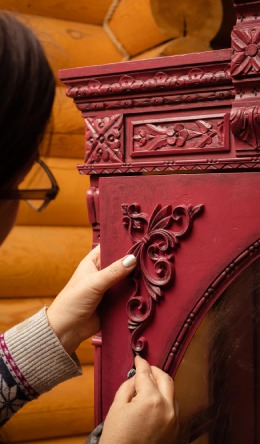
Some antique objects require restoration to remain usable or structurally sound. Loose furniture joints, broken ceramic pieces, or deteriorating fabric may need attention to prevent further damage.
Responsible restoration focuses on strengthening the object without replacing original components unnecessarily. Repairs should be reversible whenever possible so that future conservators can adjust or improve earlier work.
The goal is not to make an antique look brand new but to stabilize it so it can continue to exist safely.
The Importance of Professional Conservators
Professional conservators specialize in preserving historical objects using carefully researched methods. Museums and historical institutions rely on trained conservators to repair artifacts without compromising authenticity.
Collectors with particularly valuable items may benefit from consulting experts before attempting restoration. Professional evaluation can identify hidden structural problems and recommend appropriate treatments.
Although professional conservation services may involve additional cost, they often prevent mistakes that could permanently reduce an object's historical and financial value.
Maintaining Historical Integrity
One of the most important principles in antique preservation is respecting the object's historical integrity. Each scratch, patina layer, or faded fabric tells part of the object's story.
Over-restoration can erase these signs of age and create an appearance that is historically inaccurate. For example, completely refinishing antique furniture may remove original finishes that have survived for centuries.
Collectors and conservators often follow the principle of minimal intervention. This approach preserves the original materials while making only the necessary repairs to ensure stability.
Handling and Displaying Antiques Safely
How antiques are handled and displayed affects their long-term survival. Even well-preserved items can be damaged by accidental drops, improper lifting techniques, or unstable display surfaces.
Careful handling habits reduce risk and help maintain the object's structural integrity.
Proper Handling Techniques
When moving antiques, it is important to support the strongest parts of the object rather than fragile decorative components. For example, chairs should be lifted by their frame rather than their backrest or arms.
Ceramics and glass should always be handled with two hands and placed on stable surfaces. Gloves may be recommended for handling delicate materials such as photographs or polished metals, as oils from human skin can leave marks over time.
Slow, careful movements reduce the likelihood of accidents when transporting valuable pieces.
Creating Stable Display Areas
Antique displays should provide both visibility and protection. Shelves should be level and sturdy enough to support the weight of the objects placed on them. Non-slip padding can prevent items from shifting due to vibrations.
Displaying fragile objects inside glass cabinets provides an additional layer of protection from dust and accidental contact. Cabinets also help control environmental exposure while allowing collectors to enjoy viewing their pieces.
Thoughtful display arrangements balance aesthetics with preservation.
Rotating and Monitoring Collections
Collectors who display antiques regularly should monitor their condition over time. Periodic inspection helps detect early signs of deterioration such as fading, cracking, or insect damage.
Rotating displayed objects can also reduce environmental stress. For example, textiles or paper documents may be displayed temporarily and then returned to protective storage to limit light exposure.
Keeping simple records of condition changes helps track how objects respond to their environment and allows collectors to adjust preservation strategies when necessary.
Preserving History Through Careful Stewardship
Caring for antiques and vintage pieces is both a responsibility and a rewarding practice. Proper storage, gentle cleaning, careful handling, and thoughtful restoration help protect objects that represent earlier periods of craftsmanship and culture.
Antiques collectors can help us to this extent. Conservation and respect for the historical integrity of these articles will ensure that the objects remain meaningful artifacts, rather than merely decorative items. With care and an environment that respects the object's provenance, these pieces of history become endowed with the authority of the antiquarian for future generations.
With the kind support