Planning and Organizing an Antique Market
Every successful antique and vintage market starts with months of preparation. Coordinators need to put together the venue(s), vendors, and advertise, as well as provide visitor services well before the show is necessary to open. During planning, consideration must be given to the logistic side: a selection of stock and venues plus the individual character added to all markets attracting collectors and enthusiasts.
This includes the selection of a rich array of items to be displayed by dealers drawing from varying places and specializations. Such a rich variety contributes to an environment that will appeal to visitors with antique furniture and vintage jewelry alongside rare books and decorative collectibles.
Selecting a Venue and Event Layout
The choice of venue plays a major role in shaping the experience of an antique market. Large exhibition halls, historic buildings, outdoor fairgrounds, and community centers can all serve as locations depending on the size and style of the event. Organizers evaluate factors such as accessibility, parking availability, lighting conditions, and visitor capacity before confirming a venue.
Once the venue is secured, planners design the layout of the market floor. Booth placements must allow visitors to move comfortably between vendors while ensuring that displays remain visible and inviting. Wide aisles, logical pathways, and clear signage help prevent congestion and encourage exploration. Some markets also group vendors by category, making it easier for visitors to locate specific types of antiques such as furniture, ceramics, or vintage clothing.
Vendor Applications and Selection
Antique markets rely on experienced dealers who bring carefully sourced items to sell or exhibit. Because of this, organizers often review vendor applications before accepting participants. Dealers may be asked to describe the types of antiques they sell, provide photographs of inventory, and demonstrate knowledge of the objects they handle.
The goal is to maintain a consistent level of authenticity and quality throughout the event. Organizers aim to include a variety of specialties while avoiding too many vendors offering identical types of merchandise. A balanced vendor mix keeps markets interesting and encourages visitors to spend more time browsing different stalls.
Some large antique fairs also maintain waiting lists of vendors who wish to participate. This helps ensure that new dealers can join the event while maintaining the established reputation of the market.
Marketing and Public Promotion
Even the most carefully curated antique market needs effective promotion in order to attract visitors. Organizers typically begin advertising months before the event through a combination of digital marketing, local media coverage, and collector communities.
Social media platforms, online event listings, and collector forums allow organizers to reach audiences interested in antiques and vintage goods. Local newspapers, radio stations, and tourism organizations may also help spread awareness about upcoming markets. For larger events, partnerships with cultural institutions or historical organizations can increase visibility and encourage attendance from enthusiasts who travel specifically for antique and vintage shows.
Promotion also highlights special features such as guest appraisers, educational talks, or themed exhibitions that add value to the event.
The Role of Antique Dealers and Vendors
While organizing the event itself, dealers breathe life into the market. They spend months hunting for items to sell, researching their history, and putting them on display. Their knowledge makes the visitors aware about the origins and the workmanship of the items they see.
Dealers also help create the learning atmosphere that many antique markets aim at. Conversations between vendors and visitors can often include stories about historical periods, production methods, or what the itinerary is for them, getting to the location of the market.
Sourcing Antiques and Vintage Items
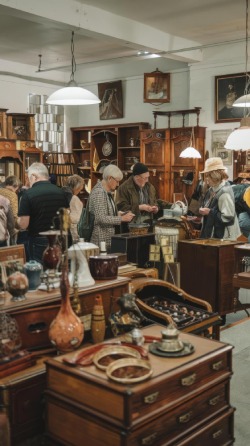
Before a dealer arrives at a market, they have usually spent considerable time building their inventory. Antiques may be sourced from estate sales, auctions, private collections, flea markets, or other antique dealers. Some vendors travel extensively in search of rare pieces that will appeal to collectors.
Research plays an important role in this process. Dealers study markings, construction methods, and historical references to determine the authenticity and age of an item. Understanding provenance the documented history of an object can significantly influence its value. When dealers bring these items to market, they often share this information with buyers who want to understand the story behind the object.
Preparing and Transporting Inventory
Transporting antiques safely requires careful preparation. Many objects are fragile, valuable, or unusually shaped, which means they must be packed and handled with caution. Dealers often use protective materials such as padded cases, blankets, and custom crates to prevent damage during transit.
Furniture pieces may need disassembly, while delicate ceramics or glassware must be individually wrapped and secured. Upon arrival at the venue, vendors unpack their items and inspect them to ensure they arrived intact. This process can take several hours before the event even begins.
The logistics of moving antiques from one location to another represent a significant part of a dealer’s work behind the scenes.
Designing Attractive Booth Displays
Presentation is an essential aspect of antique markets. Dealers carefully design booth displays that highlight the beauty and uniqueness of their items. Instead of simply placing objects on tables, many vendors recreate historical settings or themed arrangements that reflect the era of the pieces.
For example, a dealer specializing in mid-century furniture might arrange a small living room scene, complete with vintage lamps and decorative accessories. Jewelry vendors often use velvet-lined cases and focused lighting to emphasize intricate details. These displays help visitors imagine how antique objects might appear in their own homes.
A thoughtfully arranged booth also makes it easier for buyers to browse comfortably and examine items closely.
Creating a Memorable Visitor Experience
Antique markets, when viewed by visitors, mean very much more beyond buying items. They are events of culture that expose the historical treasures to the people and serve as the touchpad between history and craftsmanship, with seasoned dealers and movers facilitating interaction we make all the more valuable. Organizers and vendors can use various techniques to offer an environment full of curiosity and genuine enjoyment valued by guests. A good market hosts exhibitions, gives people a laugh, engages kids, and offers art.
Markets that thrive strive to be accessible and inviting so that all their visitors will feel well received regardless of their level of art of collection or experience open people.
Navigating the Market Floor
The layout of an antique market directly influences how visitors move through the event. Clear signage, helpful staff, and well-organized aisles allow guests to explore the market without confusion. Maps or information booths may provide guidance about vendor locations or scheduled activities.
Some events offer guided tours or informational programs that introduce visitors to different types of antiques. These experiences help newcomers learn how to identify styles, materials, and historical periods associated with various objects.
Markets designed with clear navigation encourage visitors to spend more time exploring and interacting with vendors.
Interaction Between Dealers and Collectors
One of the defining characteristics of antique markets is the interaction between sellers and buyers. Unlike many modern retail environments, antique markets encourage conversation. Visitors frequently ask dealers about the origins of an item, its age, or how it was produced.
These discussions can transform a simple purchase into an educational moment. Collectors may share their own knowledge or discuss trends within specific collecting categories. Dealers, in turn, may provide insights about restoration techniques or historical contexts.
The exchange of information strengthens the sense of community that often develops within antique collecting circles.
Negotiation and the Buying Process
Negotiation is a traditional part of antique markets. Prices listed at booths often serve as starting points for discussion rather than fixed figures. Buyers and sellers may engage in respectful bargaining to reach an agreement that satisfies both sides.
This process requires knowledge and mutual trust. Experienced collectors understand market values and condition factors that influence pricing. Dealers rely on their expertise to justify asking prices while remaining open to reasonable offers.
The negotiation process adds an interactive dimension to antique markets that distinguishes them from conventional retail experiences.
Logistics and Event Operations
Behind the visible booths and displays lies a network of logistical operations that support the event. Staff members coordinate transportation, security, visitor services, and maintenance throughout the duration of the market. These behind-the-scenes activities ensure that the event runs smoothly from opening day through final closing.
Organizers must anticipate potential challenges and prepare contingency plans in order to maintain a safe and enjoyable environment for everyone involved.
Setting Up and Breaking Down the Event
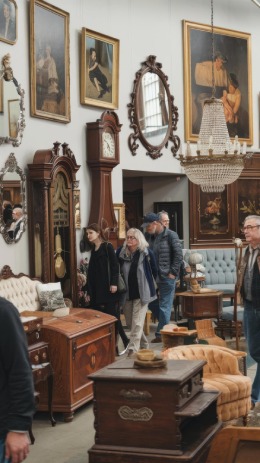
Setup often begins days before the market opens to the public. Vendors arrive early to unload vehicles, assemble booths, and arrange their displays. Event staff assist by marking booth spaces, providing tables or display equipment, and ensuring that electrical connections are available where needed.
Once the event concludes, the entire process happens in reverse. Vendors pack their items, dismantle displays, and prepare inventory for transport. Staff members then clean and restore the venue. Despite the temporary nature of these markets, the setup and breakdown stages require significant coordination.
Security and Protection of Valuable Items
Antique markets frequently display items that are rare or valuable. For this reason, security measures are essential. Organizers often hire security personnel to monitor entrances, patrol the venue, and assist vendors in protecting their merchandise.
Some events also implement procedures such as secure entry points, identification badges for vendors, and overnight monitoring for multi-day markets. Dealers may use locked display cases for smaller valuables like jewelry, watches, or coins.
These precautions help ensure that both vendors and visitors can participate confidently in the event.
Managing Crowd Flow and Visitor Services
Large antique markets can attract thousands of visitors in a single day. Managing crowd flow helps maintain a comfortable environment for browsing and shopping. Organizers may regulate entry points, provide ticketing systems, or schedule specific visiting hours for high-demand events.
Visitor services such as rest areas, food vendors, and information booths contribute to the overall experience. Some markets also provide packaging stations or shipping services for buyers who purchase large or fragile items.
Attention to these practical details allows guests to focus on enjoying the market rather than worrying about logistical concerns.
Community and Cultural Value of Antique Markets
Beyond commerce, antique markets often serve as cultural gatherings that bring together collectors, historians, and enthusiasts who share an interest in the past. These events provide opportunities for learning and exchange that extend beyond buying and selling objects.
Educational Opportunities for Visitors
Many antique markets include educational programs designed to help visitors understand historical objects more deeply. Workshops, lectures, and appraisal sessions may be organized during the event. Experts discuss topics such as identifying furniture styles, caring for antique textiles, or recognizing authentic maker’s marks.
These programs allow visitors to expand their knowledge and develop collecting skills. Even casual attendees often leave with a greater appreciation for the history and craftsmanship represented by the objects they encounter.
Building Networks Among Collectors and Dealers
Antique markets often function as meeting points for individuals who share similar collecting interests. Dealers exchange information with one another about sourcing opportunities, restoration specialists, and upcoming events. Collectors may build relationships with trusted vendors who understand their preferences.
Over time, these networks contribute to the development of specialized collecting communities. Enthusiasts who focus on specific categories such as vintage watches, antique ceramics, or historical documents often meet regularly at markets and shows.
When History Meets the Marketplace
The antique and vintage markets function not merely as retail endeavors but as an intersection and mingling multiple stakeholders, including producers, traders, collectors, and persons rendering supportive services, and forming together an arena in which the past becomes one with the future. The detailed organization, presentation, and knowledge of every participant-yet-cumulatively, something extraordinarily new is generated under the roof of these revived sites, commodities scattered and preserved historically.
The prospective buyers have the experience of beholding - objects, artifacts of culture, or historical value tracing back into those distant years with the keepers. By fostering these connections, trade relations, education, and community life, these markets continue to provide milestones for one and sundry with the grandeur of antique cultures.
With the kind support