How Antiques Are Defined by Age and Historical Context
Antique is the oldest category of objects that can be collected. In most markets and systems of valuation, antique items may only be designated as such when they have existed for approximately one hundred years. This definition of antiquity helps to differentiate those objects considered genuinely historic from bluntly old, retro-like pieces.
In addition to age, antiques often speak of a certain historical period they are tied to. Furniture, ceramics, jewelry, books, everyday objects attest to changes in design styles, materials, and craftsmanship attitudes. In this way, antiques also reside in showing the social and decorative art of past centuries.
The Traditional 100-Year Rule
The most widely accepted guideline for defining antiques is the 100-year rule. According to this standard, any object that is at least a century old may qualify as an antique. This rule is commonly used by auction houses, antique dealers, museums, and collectors when categorizing objects.
The 100-year benchmark helps maintain consistency within the antiques market. For example, a piece of furniture made in 1925 would now qualify as an antique, while a similar piece from 1970 would typically fall into the vintage category. Although exceptions sometimes occur, the century rule remains the most widely recognized classification system used in antique markets around the world.
Historical Craftsmanship and Materials
Many antiques are appreciated not only for their age but also for the craftsmanship that went into their creation. Before the widespread use of modern manufacturing techniques, many objects were handmade or produced in small workshops. Skilled artisans worked with wood, metal, glass, textiles, and ceramics using methods that required patience and specialized knowledge.
Because of this craftsmanship, antiques often display details that are difficult to replicate in modern mass production. Hand-carved woodwork, hand-thrown pottery, and carefully assembled joinery are common features in antique furniture and decorative objects. These qualities make antiques valuable not only as historical artifacts but also as examples of traditional craftsmanship.
Examples of Common Antique Objects
Antique markets feature a wide range of objects representing different periods and cultural traditions. Some of the most frequently encountered antiques include furniture, clocks, paintings, silverware, porcelain dishes, and books. Many of these items were originally everyday household objects that have survived long enough to become historical pieces.
Collectors often seek antiques connected to particular eras, such as Victorian furniture, early twentieth-century decorative arts, or pre-industrial handmade tools. These objects provide tangible connections to past lifestyles and design traditions. Antique markets allow visitors to encounter pieces that may have been used in homes, workshops, or public spaces more than a century ago.
Understanding Vintage Items and Their Cultural Appeal
Vintage objects in middle-period between antiques and modern articles. They have not aged enough to be considered as antiques but render an image of early design periods or those typical for cultural trends of the past. Vintage objects cover something between early twentieth-century period to almost the late twentieth-century era.
Vintage objects hold their charm because of their distinct style. Vintage clothing, furniture, advertising signs, electronics, and decorative objects carry out the aesthetics and technological progressiveness of their age. To collectors, vintage reflects nostalgia while also efficiently working in modern space.
Age Range of Vintage Objects
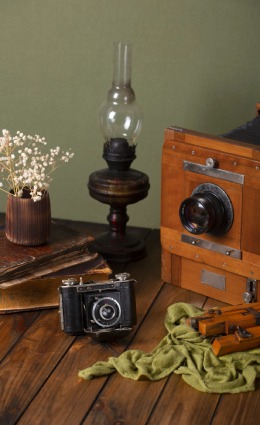
Although there is no single universal definition, most experts consider vintage items to be between twenty and one hundred years old. Objects within this range are old enough to represent past design trends but not yet old enough to meet the antique classification.
For example, furniture from the 1950s, cameras from the 1970s, and clothing from the 1980s may all be considered vintage. These objects capture specific moments in cultural history, reflecting the materials, colors, and design philosophies that defined their era. Vintage items often appeal to collectors who appreciate mid-century aesthetics or retro fashion trends.
Popular Categories of Vintage Collecting
Vintage collecting covers a wide range of categories, many of which are associated with twentieth-century design and consumer culture. Vintage clothing is particularly popular, with garments from past decades prized for their quality fabrics, distinctive cuts, and unique styles.
Other commonly collected vintage items include vinyl records, cameras, radios, advertising signs, toys, and kitchenware. Mid-century modern furniture has also become a major focus for collectors and interior designers. These pieces reflect the clean lines and functional design principles that shaped furniture production in the postwar period.
Why Vintage Items Remain Popular
Vintage objects often attract collectors because they combine historical character with everyday usability. Unlike many antiques, which may require careful preservation, vintage items can often be integrated into daily life. Vintage clothing can still be worn, and mid-century furniture can still serve practical purposes in modern homes.
Another reason for the popularity of vintage items is their connection to cultural memory. Objects from the 1960s, 1970s, or 1980s may remind people of childhood memories, popular music, film culture, or major social changes. For collectors, these items represent tangible links to specific moments in recent history.
The World of Modern Collectibles
Collectibles are a more general category consisting of things people deliberately collect, sometimes for personal, cultural, or financial value. Compared to antiques or vintage items, collectibles might be quite recent. Often their value is enhanced due to considerations of rarity, popularity, or being subjected to limited production rather than mere age alone.
A lot of collectibles are intended from inception for the collector market. Whether cast in limited numbers or distributed in sets or as single items with specially labeled packaging, the relatively hefty-spending fan community naturally in sync might find great pleasure in building collections on themes of all sorts. Eventually, some collectibles obtain surprisingly high values, dependent to large-scale demand and their availability.
What Makes an Item Collectible
An item becomes collectible when a group of people actively seeks to acquire and preserve it. Demand among collectors plays a major role in determining whether an object gains collectible status. Items associated with popular culture, entertainment franchises, sports, or historical events often attract strong collector interest.
Scarcity is another important factor. Limited production runs, discontinued product lines, or special edition releases can increase an item's desirability among collectors. When supply is limited and demand remains high, the perceived value of collectible objects can rise significantly over time.
Examples of Popular Collectible Categories
Collectibles come in many forms, ranging from historical artifacts to modern memorabilia. Coins and stamps have long been among the most traditional collectible categories. Numismatics and philately both have well-established collector communities and detailed cataloging systems.
Other popular collectible categories include comic books, trading cards, action figures, sports memorabilia, and movie-related merchandise. Some collectors focus on specific themes or brands, while others build collections centered on particular historical periods or cultural movements.
The Role of Condition and Authenticity
Condition plays a crucial role in determining the value of collectible objects. Items that remain in excellent condition, especially those with original packaging or documentation, often command higher prices among collectors. Damage, wear, or missing parts can significantly reduce an item's desirability.
Authenticity is equally important. Collectors often rely on expert verification, certificates of authenticity, or detailed provenance records when purchasing valuable items. Ensuring that a collectible item is genuine helps maintain trust within the collector community and supports the integrity of the marketplace.
Key Factors That Influence Value and Classification
While age is an important factor, several other characteristics influence whether an object is classified as an antique, vintage item, or collectible. Craftsmanship, rarity, cultural significance, and historical context all contribute to how objects are evaluated within the marketplace.
Understanding these factors helps collectors make informed decisions when purchasing items. Antique dealers, auction houses, and experienced collectors often consider multiple criteria when assessing the importance and value of a piece.
Rarity and Limited Availability
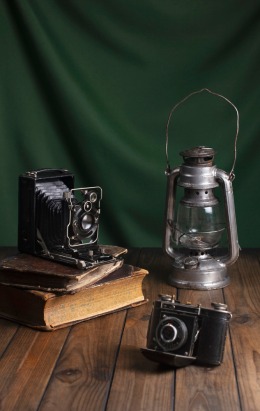
Rarity is one of the most significant drivers of value in the antiques and collectibles markets. Objects that were produced in small quantities or that have survived in limited numbers tend to attract greater interest among collectors.
For example, a rare piece of porcelain from a specific workshop may be more valuable than a similar item produced in large quantities. Likewise, limited-edition collectibles can increase in value if demand grows while supply remains restricted.
Historical and Cultural Significance
Objects connected to important historical events, cultural movements, or notable individuals often carry additional value. These items serve as tangible reminders of particular moments in history and can provide insight into social trends and cultural developments.
Artifacts related to significant historical periods, such as wartime memorabilia or objects associated with influential artists or designers, often receive special attention from collectors and museums. Their importance extends beyond decorative appeal to include educational and historical value.
Craftsmanship and Design Quality
High-quality craftsmanship can significantly enhance the desirability of an object. Items created by skilled artisans or renowned designers often display exceptional attention to detail, durability, and aesthetic balance.
Design quality is also an important consideration. Objects that represent influential design movements, such as Art Deco or mid-century modern, often become sought-after by collectors and interior designers. These pieces reflect broader artistic trends that shaped architecture, furniture, and decorative arts during specific periods.
📍 Where These Objects Are Commonly Found
Antiques, vintage items, and collectibles can be discovered in a variety of locations. Antique fairs, vintage markets, flea markets, and specialized collector conventions all provide opportunities to encounter unique objects from different periods.
These environments also allow collectors to interact with knowledgeable dealers and other enthusiasts. Conversations with experienced sellers often provide valuable insights about an object's history, production methods, and potential value.
- Antique fairs often focus on items that meet the 100-year classification standard, including furniture, decorative arts, and historical household objects.
- Vintage markets typically showcase twentieth-century clothing, furniture, signage, electronics, and other retro items reflecting past decades.
- Collector conventions frequently feature themed merchandise such as comic books, trading cards, toys, and pop culture memorabilia.
- Estate sales sometimes reveal a mix of antiques, vintage objects, and modern collectibles that have accumulated within private households.
- Flea markets offer a wide range of items from different eras, making them popular locations for casual collectors and bargain hunters.
Each type of marketplace attracts different audiences. Antique specialists may focus on rare historical objects, while vintage markets often appeal to people interested in retro design or fashion. Collectible conventions bring together dedicated communities centered around specific hobbies or cultural interests.
Appreciating Objects Across Time
Antiques, vintage, and collectibles each represent layers of cultural history. Antiques carry us back to ancient eras through their craftsmanship and preservation for future generations. Vintage represents bygone days of design trends and social consequences of the twentieth century- Collectibles, which have become modern-day interests and a few of them reflect hobbies and movements of culture.
Illuminating such distinctions enhance one's visit to the antique markets, vintage fairs, and collectible exhibitions. Too often, as mundane items or beautiful decorations, visitors will not take a closer look at them and begin to rediscover the stories and significance of these objects. From those who collect for their own enjoyment, others have the appreciation for the value of the collection to the past and present.
With the kind support